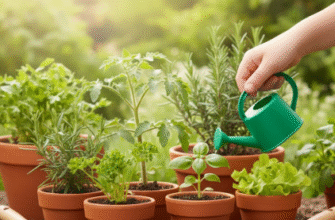
In our fast-paced modern lives, it’s easy to feel disconnected from nature and the origins of our food. Mindful gardening offers a powerful antidote, providing a tangible connection to the earth, the food cycle, and a whole lot of fun along the way. It’s more than just planting seeds; it’s about cultivating a deeper awareness of ourselves and the world around us.
What is Mindful Gardening?
Mindful gardening isn’t simply about getting your hands dirty. It’s about approaching gardening with intention, awareness, and a sense of presence. It’s about slowing down, noticing the details, and appreciating the process, rather than just focusing on the end result. It’s a chance to engage all your senses – the smell of the soil, the feel of the sun on your skin, the sight of a tiny sprout emerging from the earth.
Mindful gardening emphasizes being present in the moment. It’s about paying attention to the sensations and feelings that arise while gardening, without judgment. This practice can reduce stress and promote a sense of calm.
Key Elements of Mindful Gardening:
- Intention: Starting with a clear intention for your gardening session, whether it’s to weed a specific area, plant a certain type of seed, or simply connect with nature.
- Attention: Paying close attention to the task at hand, noticing the details of the plants, soil, and environment.
- Acceptance: Accepting the imperfections and challenges that arise in the garden, such as pests, weeds, or unpredictable weather.
- Non-judgment: Observing your thoughts and feelings without judgment, allowing them to pass without getting caught up in them.
- Beginner’s Mind: Approaching each gardening session with a fresh perspective, as if you’re seeing everything for the first time.
Connecting with the Earth
Gardening puts you in direct contact with the earth, allowing you to feel its energy and appreciate its life-sustaining qualities. Working with soil can be incredibly grounding and therapeutic, helping to reduce stress and improve your overall well-being. You become intimately aware of the interconnectedness of all living things.
By understanding the needs of your plants, you learn to respect the natural rhythms of the earth. You learn about the importance of healthy soil, water conservation, and biodiversity. You also gain a greater appreciation for the role that plants play in maintaining a healthy environment.
Benefits of Connecting with the Earth:
- Reduced Stress: Studies have shown that spending time in nature can lower cortisol levels, reducing stress and anxiety.
- Improved Mood: Gardening can release endorphins, which have mood-boosting effects.
- Increased Vitamin D: Spending time outdoors in the sun helps your body produce vitamin D, which is essential for bone health and immune function.
- Enhanced Creativity: Nature has been shown to inspire creativity and innovation.
- Sense of Purpose: Gardening can provide a sense of purpose and accomplishment, especially when you see the fruits (or vegetables!) of your labor.
Understanding the Food Cycle
Growing your own food provides a profound understanding of the food cycle, from seed to plate. You witness firsthand the miracle of transformation, as tiny seeds sprout into vibrant plants that provide nourishment. You learn about the importance of pollination, composting, and sustainable farming practices.
When you grow your own food, you’re more likely to make healthier food choices. You’re also more likely to appreciate the effort that goes into producing food, which can lead to less food waste. And you’re less reliant on the industrial food system, which can be harmful to the environment and your health.
Commercial agriculture often relies on pesticides and herbicides, which can have negative impacts on human health and the environment. Growing your own food allows you to control the inputs and ensure that your food is free from harmful chemicals.
Benefits of Understanding the Food Cycle:
- Healthier Eating Habits: You’re more likely to eat fresh, seasonal produce when you grow your own food.
- Reduced Food Waste: You’ll appreciate the effort that goes into producing food, leading to less waste.
- Greater Food Security: Growing your own food can provide a sense of security, especially in times of economic uncertainty.
- Environmental Awareness: You’ll gain a deeper understanding of the environmental impacts of food production.
- Community Building: Gardening can be a social activity, providing opportunities to connect with others who share your passion for food and nature.
The Fun Factor
Mindful gardening is not just about work; it’s also about fun! It’s about getting your hands dirty, experimenting with new plants, and enjoying the beauty of nature. It’s a chance to unleash your creativity and express yourself through the design of your garden.
Gardening can be a great way to relieve stress and boost your mood. It’s also a fun activity to share with family and friends. You can involve children in the process, teaching them about nature and where their food comes from.
Ways to Make Gardening More Fun:
- Experiment with Different Plants: Try growing unusual vegetables, herbs, or flowers.
- Create a Theme Garden: Design a garden based on a specific theme, such as a butterfly garden or a herb garden.
- Get Creative with Garden Decor: Use recycled materials to create unique garden art.
- Share Your Harvest: Share your excess produce with friends, family, or neighbors.
- Join a Gardening Club: Connect with other gardeners in your community and share tips and ideas.
Getting Started with Mindful Gardening
You don’t need a lot of space or experience to start mindful gardening. Even a small balcony or windowsill can be transformed into a thriving garden. The key is to start small, be patient, and enjoy the process.
Tips for Beginners:
- Start Small: Choose a small area or container to begin with.
- Choose Easy-to-Grow Plants: Start with plants that are known to be easy to grow, such as herbs, lettuce, or tomatoes.
- Prepare Your Soil: Make sure your soil is well-drained and rich in nutrients.
- Water Regularly: Water your plants regularly, but avoid overwatering.
- Weed Regularly: Remove weeds regularly to prevent them from competing with your plants for nutrients and water.
- Observe Your Plants: Pay attention to your plants and look for signs of pests or diseases.
- Don’t Be Afraid to Ask for Help: There are many resources available to help you learn about gardening, including books, websites, and local gardening clubs.
Local nurseries and gardening clubs are great resources for information and support. They can provide advice on what plants grow best in your area and offer tips on how to deal with common gardening challenges.
Mindful Gardening: A Path to Well-being
Mindful gardening is more than just a hobby; it’s a path to well-being. It’s a way to connect with nature, understand the food cycle, and find joy in the simple things in life. By slowing down, paying attention, and appreciating the process, you can cultivate a deeper sense of peace, purpose, and connection.
So, grab your gardening gloves, get your hands dirty, and embark on a journey of mindful gardening. You might be surprised at what you discover – not just about plants, but also about yourself.
Expanding Your Mindful Gardening Practice
Once you’ve established the basics of mindful gardening, you can explore more advanced techniques to deepen your connection with nature and enhance your gardening experience.
Advanced Techniques:
- Composting: Learn how to compost your food scraps and yard waste to create nutrient-rich soil for your garden.
- Seed Saving: Save seeds from your favorite plants to grow them again next year. This helps to preserve biodiversity and reduce your reliance on commercial seed companies.
- Permaculture: Explore permaculture principles to design a sustainable and self-sufficient garden that mimics natural ecosystems.
- Companion Planting: Learn which plants grow well together and use this knowledge to create a more productive and pest-resistant garden.
- Water Harvesting: Collect rainwater to water your garden, reducing your reliance on municipal water sources.
The Social Impact of Mindful Gardening
Mindful gardening can also have a positive social impact. By growing your own food, you can reduce your carbon footprint, support local food systems, and promote sustainable agriculture. You can also share your knowledge and skills with others, empowering them to grow their own food and connect with nature.
Ways to Make a Social Impact:
- Donate Excess Produce: Donate your excess produce to local food banks or charities.
- Volunteer at a Community Garden: Help maintain a community garden and share your gardening skills with others.
- Start a School Garden: Work with local schools to create gardens that teach children about food and nature.
- Advocate for Sustainable Agriculture: Support policies that promote sustainable agriculture and protect the environment.
- Educate Others: Share your knowledge and passion for mindful gardening with friends, family, and neighbors.
Continuing the Journey
Mindful gardening is a lifelong journey of learning, growth, and connection. As you continue to explore the world of gardening, you’ll discover new techniques, new plants, and new ways to connect with nature. The most important thing is to stay curious, be open to new experiences, and enjoy the process.
Embrace the challenges, celebrate the successes, and remember that every seed you plant is a seed of hope, a seed of connection, and a seed of transformation. Happy gardening!